

2334 campsite(s) available from € 18.20 Several factors can affect a campsite's ranking. More info




Our latest blog posts

What children aged 3–6 love at campsites

What 3 to 6 year olds love at campsites
- Exploring independently: Heading off to the playground for the first time, cycling around the campsite, or making new friends on the camping field.
- Endless fun in the playground: Slides, swings and sand… often that’s all it takes for hours of entertainment.
- Fun with water, all day long: Splashing in the paddling pool, trying out a small slide, or simply playing with water.
- Joining in at the kids’ club: Crafts, games and a mini disco – simple, relaxed and just right for this age.
- Living outdoors from morning to evening: Eating outside the tent, playing after dinner, and heading to bed happily tired.
Top destinations for children aged 3–6


Holiday ideas for camping with children aged 3–6

A day at the seaside: paddling, swimming, building sandcastles and enjoying a tasty ice cream.

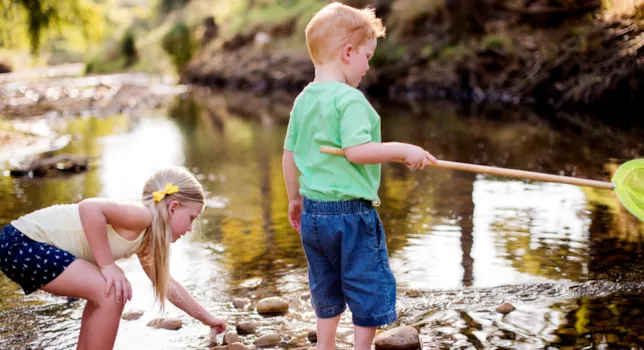
Enjoy paddling, picnics and outdoor adventures by the river.

Magic, mini-discoveries and camping fun together.

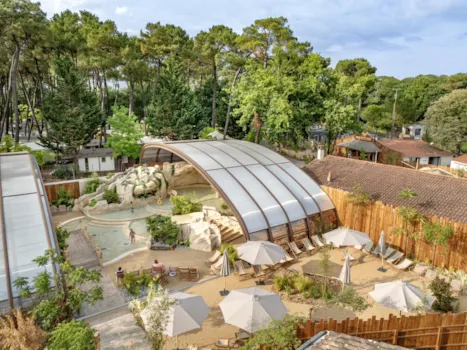
Pools and paddling fun for the whole family.
The campsite as a playground
For children of this age, the campsite itself is already an attraction. Being outside, exploring, and moving around are central.
At this age, children are curious and energetic, and camping gives them the freedom to explore in a safe environment. They are at a stage where outdoor play encourages creativity, social skills, and physical development. Even simple activities like collecting leaves, watching birds, or spotting insects can become adventures.
Think of:
- Cycling along quiet paths
- Building dens or playing in the sand
- Spending hours in the playground
- Making new friends
- Visiting farm animals on or near the campsite.
Camping fits perfectly at this stage, as it gives children the space to play independently and expand their world.
You’ll often notice that screens fade into the background, and the days fill up naturally without a programmed schedule.
Safety without constant supervision
For parents, one thing matters most: children should be able to move freely without you having to be constantly on alert.
Of course, the level of supervision required will depend on the layout and size of the site. Some campsites have designated play zones or enclosed playgrounds, which make it easier to relax while keeping an eye on your children.
Key features to look for include:
- Car-free or low-traffic zones
- Clear sightlines from play areas
- Clearly defined or easy-to-navigate grounds
- No busy roads or hazardous spots
Many family-friendly campsites are designed with this in mind. They allow children to play independently while parents can relax.
Animation: fun, but not essential
Entertainment programmes often sound like a must, but for young children it’s more nuanced.
A mini-club or craft session can be fun, but don’t expect interest in full-day schedules like older children might have. Often, an hour’s activity in a day is more than enough.
Many young children prefer to join activities spontaneously rather than stick to a fixed schedule, so a campsite that allows drop-in participation works best.
What works well:
- Creative activities (crafts, painting)
- Simple games
- Mini disco in the evening
It’s less about the activities on offer and more about the atmosphere. If it feels relaxed and informal, children will usually join in naturally.
Swimming: often the highlight of the day
If there is one facility that really matters, it’s the swimming pool.
But here too, more isn’t always better.
Ideal for young children:
- Shallow water
- A small, easy-to-navigate children’s pool
- A few simple slides
- Possibly a splash pad
This is usually enough for hours of fun. A giant waterpark is nice, but not essential.
Practical facilities make your holiday relaxing
What is often underestimated beforehand are the practical aspects. With young children, these can make a holiday either relaxing or exhausting.
Pay attention to:
- Distance to the toilets
- Shade at your pitch
- Space to play near your rental accommodation or pitch
- Availability of equipment to hire
A pitch close to a play area is often ideal: you can relax while the children play nearby.
Small campsite or large?
A common question: should you choose a small or large campsite?
For children in the 3 to 6 years age group, often:
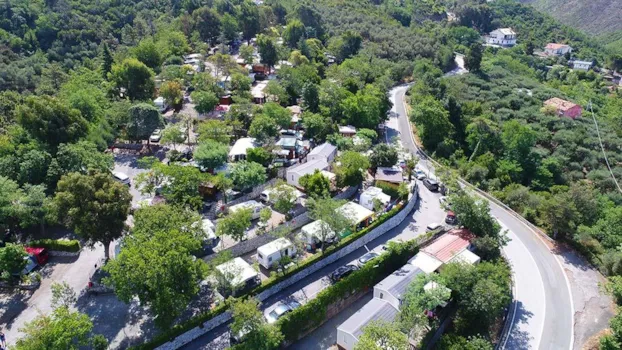
- Small campsite: easy to navigate, calm, safe
- Medium campsite: good balance of calm and facilities
- Large campsite: fun, but can feel overwhelming
Medium-sized campsites often strike the perfect balance: they provide space to explore without feeling overwhelming, while offering a few facilities such as a playground and a pool with slide.
Why this is the ideal age for camping
Between 3 and 6 years, children undergo many changes. They become more independent, make friends more easily, and explore the world around them.
That’s exactly what makes camping so suitable:
- Free play in a safe environment
- Making new friends effortlessly
- Being outside from morning to evening
- Slowing down together as a family
It’s a form of holiday that adapts to your family, rather than the other way around.
In summary
A good campsite for children aged 3 to 6 isn’t about having as many facilities as possible, but about the right balance: safety, overview, and plenty of space to play. Choose a place where your child can explore independently — and where you don’t have to constantly call out where they are. Because, ultimately, that’s what these holidays are about: freedom for your children, and peace of mind for you.
When planning, consider combining your research with reviews from families who have stayed there. Their insights on playground size, pool usability, and overall atmosphere can be invaluable in choosing a campsite that suits your child’s age and personality.

